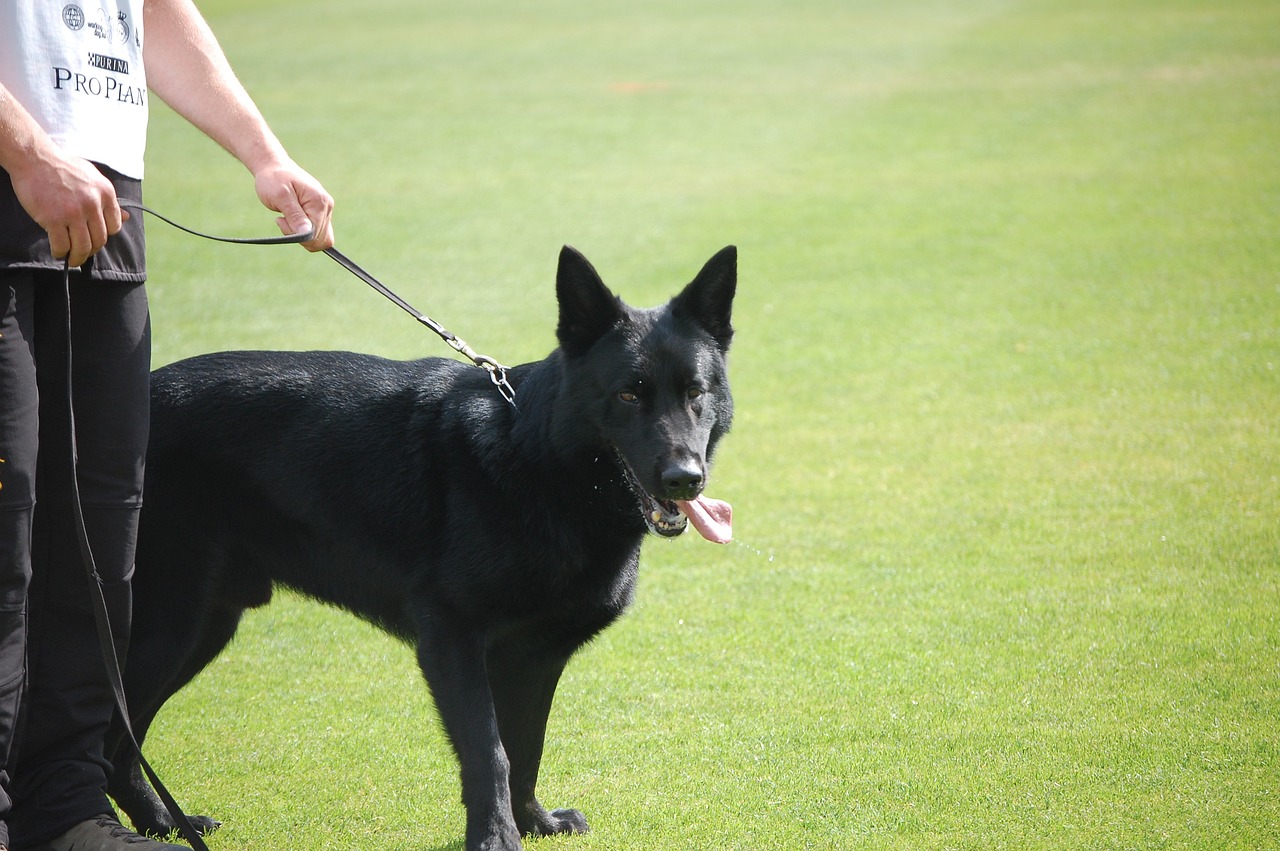

Most indoor accidents begin with a signal that came and went unseen. Your dog told you in the way dogs do, but you were looking at a screen, helping a child, or finishing one more thing before getting up. By the time you noticed, the moment had passed.
That does not mean your dog failed to ask. It means the request was easier to miss than you expected.
The signals your dog is already giving you
The ASPCA house training guide describes sniffing, circling, and walking with stiff back legs as pre-pottying behaviours. The AKC housetraining guide gives a similar list: sniffing the ground, circling, stopping play, whining or scratching at a door, and becoming restless.
These signs can seem small if you expect a bark at the back door. That clear request tends to come from a trained adult dog with months of practice. Before your dog reaches that point, you may see a nose drop toward the floor, a slow move away from the room, or a sudden break in the middle of a game.
The change matters more than the drama. Your dog may have been chasing a toy and then stopped. They may wander toward the edge of the room instead of staying near you. You might see two tight circles that look like an attempt to settle down.
A dog does not know that you are waiting for a formal announcement. From their point of view, leaving the game or heading toward the door may be the announcement. Your job is to notice what happens just before the squat, then connect that action with a trip outside.
What to watch for
Potty Signs the ASPCA and the AKC List
How much time you have after you spot it
Your puppy gives the same signal as an adult dog, but with less time to act.
How much warning you get, by age
A puppy between eight and sixteen weeks may give you seconds, not minutes. Some puppies squat with no visible run-up. You can notice what is happening, cross the room, and still arrive too late.
At that age, the problem is bladder development, not poor communication. Close observation cannot create time that your puppy does not have. Use the clock instead, so you offer a trip outside before the need becomes urgent. the hour by hour schedule lays out the hour by hour schedule to use during this stage.
An adult dog may give you two to five minutes, along with a signal that is easier to spot. An adult has more bladder control and more practice with the routine. This is where learning your own dog starts to pay off. Once settled into the home, a dog tends to use the same signal from one request to the next.
A senior dog can return to giving you almost no warning, but the reason is different from the puppy stage. Bladder control can fade. A dog with cognitive decline may begin the routine and then forget what they were doing before they reach the door.
caring for an older dog explains the changes you may see in an older dog and the point where accidents stop being a training issue. If your senior cannot get through the night, keeping Amazon Basics Potty Training Pads in one fixed place is a way to manage the situation. It is not a sign that you have given up.
Where people miss it
Three moments account for most missed signals.
Waking after a nap is the first and biggest one. A dog who has slept for forty minutes may need the door before anything else. They may get up and walk away without making a sound. If you wait for whining or scratching, you may not hear a request at all.
The second moment comes during play. Your dog’s need to go appears in the middle of the excitement, so the signal looks like a pause in the game. A dog who drops the toy and sniffs the floor may not be losing interest. That short pause may be all the warning you get.
The third situation catches many people because it feels as if the outside trip should have solved the problem. Your dog comes in from the garden without doing anything. Twenty minutes later, they go on the rug. Being outdoors did not mean they emptied their bladder. If nothing happened outside, keep that in mind after you come back in.
Sitting and staring at you can be a signal as well. Your dog may look at you, glance toward the door, then look back. Some dogs just hold your gaze for a beat longer than usual. It is easy to read that as affection and return to what you were doing.
Reading your own dog, not a list
The general list gives you a place to begin. Your dog may use two or three signs from it and show no interest in the rest. You do not need to watch for all eight signs each time.
For one week, write down what happened during the minute before each trip outside. Include the small things. Your dog may visit the water bowl before heading toward the door. Another dog may sit beside one particular chair. The point is not to judge whether the signal makes sense to you. You are looking for what repeats.
Once you identify your dog’s two main signs, the task becomes much less tiring. Instead of scanning for a long checklist, you can watch for the actions that belong to your dog. That shift can separate a household that catches most requests from one that catches only a few.
The house can change the signal. A dog who scratched at a back door may need another way to ask in a flat without one. A move or a new baby can disrupt the arrangement for a few weeks.
If a dog who had a dependable signal becomes quiet after a change at home, do not assume the training has disappeared. Your dog may be working out where to go and how to ask under the new setup. Return your attention to the small signals while the routine takes shape again.
Teaching your dog a clearer signal
You can teach your dog to replace a faint signal with one that is hard to miss. Bells hung from the door handle are a common way to do this.
Each time you open the door for a toilet trip, touch the bells with your dog’s paw or nose. Then reward your dog outside after they go. Within a few weeks, most dogs begin ringing the bells without your help.
The bells come with one catch. A dog who learns that ringing opens the door may also ring because they want to look at a squirrel. Keep the response plain and consistent. Put on the lead, take your dog to the usual spot, and offer a short chance to go. If nothing happens, bring your dog straight back inside.
This teaches a clear distinction. Ringing the bells gets access to the garden for a toilet trip. It does not begin a game or a long wander.
Whatever signal you choose, respond each time during the first months. That includes ten at night when it is raining. If you answer four requests out of five, your dog may stop putting effort into the fifth one. The signal gains meaning because opening the door follows it.
When to call your vet
A change in your dog’s signal deserves more attention than the type of signal they use. Book an appointment if your dog starts asking to go out far more than they did a week ago. Do the same if they strain but produce little, have blood in their urine, or begin going in their sleep.
If a house-trained dog starts having accidents, treat a medical cause as possible until your vet has examined them and says otherwise. This is not the moment to assume your dog has become stubborn or forgotten the rules.
Alicia writes this site as a dog owner who does the reading. She is not a veterinarian, and this article cannot replace the vet who can examine your dog.
Questions people ask
My dog gives no signal at all
Some dogs do not develop a signal on their own. This can happen with dogs who spent the first part of life in a place where their requests received no response.
Go back to a fixed schedule and let the clock do the work. Once that routine is in place, teach the bells. Watching with more care will not solve the problem if your dog has no signal for you to see.
She goes to the door and then will not go out
The door may be the request while the weather is the objection. Your dog may also be asking you to come with her instead of asking for time alone in the garden.
Take her outside on a lead and offer five dull minutes. If she does nothing, go back inside. Avoid standing at the door talking to her, since the trip is meant to give her a clear chance to go.
He signals, we go out, and he goes again inside
Your dog may finish one part of the job outside, then get interrupted before the other part. Give him more time and keep the wait boring.
Clean the indoor spot with an enzyme cleaner such as Rocco & Roxie Stain & Odor Eliminator. If the pattern continues after that cleaning, the remaining smell may be drawing him back to the same place. what to do when you miss one explains what to do when you miss one.
Do dogs signal in a different way at night?
The signal tends to be smaller at night because a sleeping dog can wake with an urgent need to go. Instead of a trip to the door, you may notice movement. Your dog might circle on the bed, jump down, or shuffle in the crate.
Respond the first time you notice that change. Waiting to see whether your dog settles can use up the short warning you had.
Sources
- ASPCA house training guide, on pre-pottying behaviour, naming sniffing, circling and stiff back legs.
- AKC housetraining guide, on the signs that a puppy needs to go out and on anticipating them before accidents happen.
As an Amazon Associate I earn from qualifying purchases. This means if you click a link and make a purchase I may earn a small commission at no extra cost to you. I only recommend products I genuinely believe in.