
You cleaned up at seven this morning. By four, there is another puddle beside the same chair. It can feel as if nothing is sinking in, but accidents at this age are part of development, not a discipline problem. What you do in the next thirty seconds matters far more than anything you say to your puppy.
Young puppies are still developing bladder control and learning the household routine. Offer frequent toilet opportunities and adjust to the individual puppy rather than treating an age as a guaranteed holding limit.
The AKC housetraining guide recommends starting housetraining on the day your puppy comes home. It also notes that most puppies arrive at around eight weeks, when bladder control is at its weakest. Those first few weeks feel hard because they are hard. Your puppy is learning while their body is still catching up.
Why it happens, and the six moments it happens in
Most accidents in the house fall into the same small set of windows. Take your puppy out after they wake, after a meal, after a drink, after play, after a nap, and last thing before bed. Cover those six moments and you remove most of the chances for an accident. The hour by hour schedule places them against the clock for each age, so you can build a routine around your day.
Do not expect much waiting time after sleep. A puppy who has napped for forty minutes needs a trip to the door before breakfast, cuddles, or a game. Their bladder has been filling while the rest of them rested.
Play catches many people out. Excitement moves everything along, and a puppy can go from tumbling across the floor to squatting with almost no warning. End the game with a toilet trip, even if your puppy went out before play began.
You may also see a pause, a sudden sniff of the floor, or movement toward a familiar corner. Those small changes matter because the gap between the signal and the accident can be short. Reading the signals your dog gives you explains the signs to watch for before the squat begins.
The first thirty seconds
What you do depends on whether you saw it happen.
You catch them mid-accident
You find it afterwards
Scolding later teaches your puppy to hide from you, not to wait by the door.
What to do in the first thirty seconds
If you notice an accident beginning, calmly take your puppy to the regular toilet area if it is safe to move them. Do not shout or startle them. If moving would be unsafe or distressing, let them finish and clean up quietly.
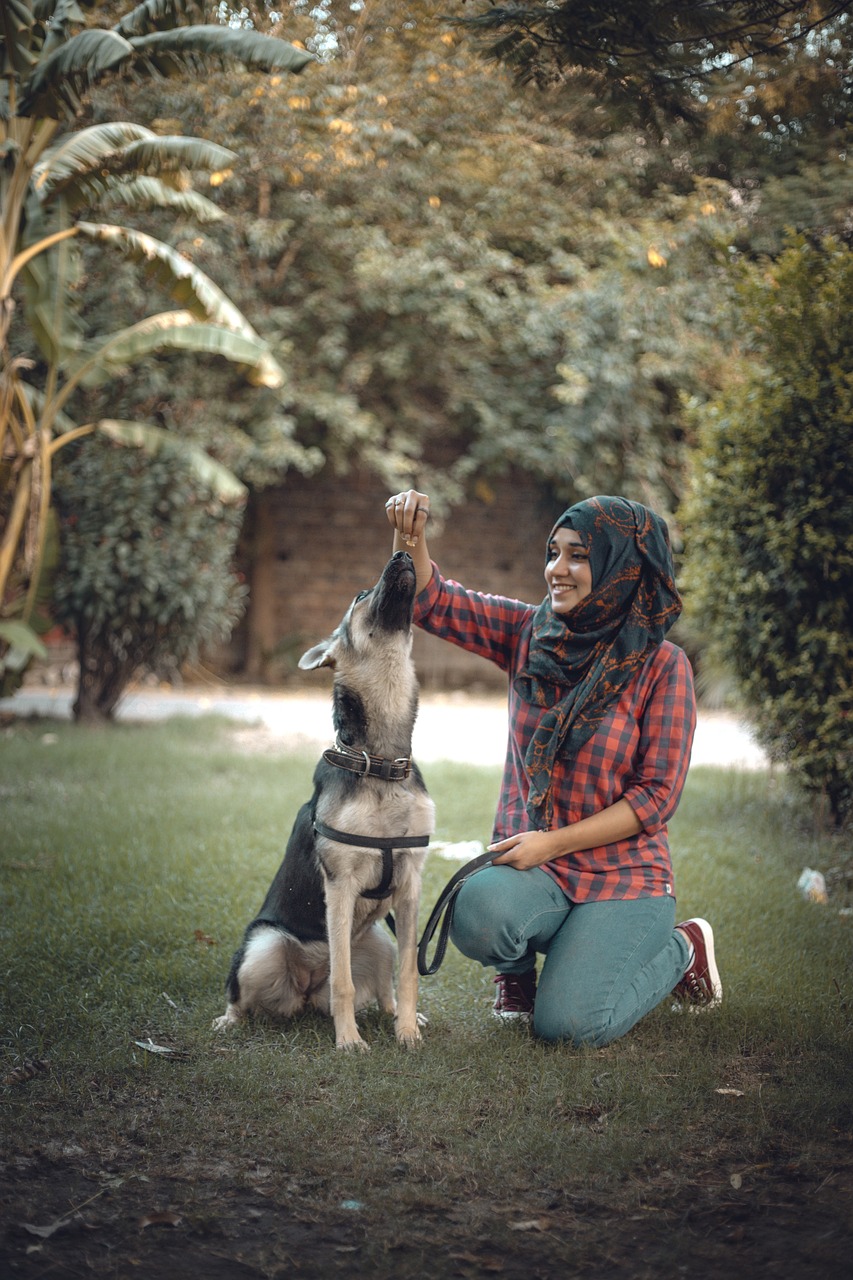
Once you put them down, give them time to finish. Keep your attention on the job and resist turning the trip into play. If they finish outside, offer the treat and praise while you are both still on the grass. That timing helps your puppy connect the reward with what just happened in that place.
Finding a puddle after the event calls for a quieter response. Clean it up and do not comment. The ASPCA house training guide gives clear guidance on this point: a dog does not learn from being scolded for an accident that happened in the past, even if it took place only a few minutes earlier.
Your puppy cannot connect an angry voice with a puddle from twenty minutes ago. They may connect your anger with your presence near urine. That can teach them to hide the next accident in a place where you cannot see them, which makes housetraining harder.
A found accident still gives you useful information. Write down the time and think through the hour before it. Was there a nap, a drink, or a burst of play? Three puddles at four in the afternoon point to the gap between the last nap and dinner. The schedule needs attention there, not the puppy’s character.
Cleaning so your puppy does not return to the same spot
Your dog’s nose can find traces that your nose misses. If urine remains in carpet fibres, the spot can smell like an approved toilet to your puppy. That is why one patch can attract them again after it seems clean to you.
Many household cleaners cover the smell for a person without breaking down the residue your puppy detects. The room may smell fresh to you while the carpet still carries a clear message at floor level.
This article contains affiliate links. As an Amazon Associate I earn from qualifying purchases. If you buy through these links, A Friendly Dog may receive a commission at no extra cost to you. Read our affiliate disclosure.
An enzyme cleaner such as Rocco & Roxie Stain & Odor Eliminator breaks down that residue instead of covering it. Start by blotting up as much liquid as you can with paper towel. Press into the area rather than rubbing it, since rubbing can push the moisture farther into the carpet pile.
Next, soak the affected area with the cleaner. Follow the timing printed on the bottle, since the product needs time to work, and leave the area to dry on its own. A quick wipe does not give the cleaner the same chance to reach what has soaked below the surface.
If your puppy keeps returning to a cleaned spot, supervise or temporarily limit access while you review the routine. Keep the puppy away until the cleaning product has dried as directed. Progress, rather than a fixed fortnight, guides when to allow access again.
Affiliate links: A Friendly Dog may receive a commission from purchases through the links below.
Some small dogs benefit from an approved indoor toilet as well as the outdoor routine. This can help in a flat or during a hard winter. Amazon Basics Potty Training Pads provide one set place for your puppy to use. Keep that place fixed, and reward success there in the same way you reward a trip outside. Moving pads from room to room creates confusion and is what makes them fail.
Night-time accidents are a different problem
Young puppies may need toilet opportunities overnight. Plan help around your puppy’s observed needs and discuss repeated wetting, discomfort or an unexpected change with your vet.
Keep clean drinking water available, including overnight. Arrange quiet toilet trips when needed and use alarms only as reminders to check and help; do not restrict water to avoid an accident. Your vet can advise on your puppy’s individual care needs.
If the sleeping area is wet, help your puppy promptly, replace soiled bedding and check whether the care plan needs more frequent toilet opportunities. Do not use a soiled crate to make the puppy wait or treat it as a character problem.
Adjust overnight reminders to your puppy’s actual waking, comfort and toilet pattern. There is no universal weekly extension or age at which every puppy stays dry all night. Make changes gradually and respond when your puppy needs help.
A change after a dry stretch deserves more attention. If your puppy stayed dry overnight for a fortnight and has begun waking in a wet bed again, call your vet instead of moving the alarm later.
When to call your vet
Straining with little or no urine needs urgent veterinary attention. Contact your vet promptly about blood in urine, increased thirst or urination, pain or a new pattern of accidents; do not wait for training changes to work.
A sudden change matters, too. If your dog was reliable for weeks and then starts having accidents, contact your vet rather than adding more training or blame. A schedule cannot tell you what an examination can.
Alicia writes this site as a dog owner who does the reading. She is not a veterinarian, and nothing here replaces the vet who can examine your dog.
Questions people ask
How long does housetraining take?
Housetraining has no guaranteed completion age. Health, development, previous opportunities and the household routine affect progress. Keep a record and seek veterinary advice about new accidents or poor progress instead of waiting for a calendar milestone.
A puppy from a place where they had to soil their own bedding may take longer. Before learning the new routine, they have an old habit to undo. Progress can still come, but it may not follow the timetable you expected.
My puppy went outside and then came in and went again
Your puppy may have finished one part, become distracted, and come inside before finishing the second. Give them more time outside before you return to the house.
Stay quiet and uninteresting while you wait. Talking, playing, or starting a game can pull their attention away from the job. Reward them once they finish, then head back inside.
Should I use a crate?
A crate must allow comfortable standing, sitting, turning and lying fully stretched out, with suitable bedding and clean drinking water. It is useful only if your puppy is comfortable there and receives timely care and toilet opportunities.
Choose the size for comfort and safe movement. A divider must not reduce the space below those needs. A larger managed area with a separate toilet option may be needed when a closed crate cannot meet the puppy’s care needs. See crate training, step by step for a gradual introduction.
My puppy only does it when someone comes to the door
This sounds more like excitement or submissive wetting than a gap in housetraining. It calls for the opposite of punishment. A telling-off can make the problem worse because the wetting begins when the puppy feels overwhelmed.
Keep greetings calm and low key. Ask visitors to ignore your puppy for the first minute. Give the puppy time to settle before anyone bends over them or starts a greeting.
Is it normal to go backwards after a good week?
Accidents can recur when needs or routines change, but do not automatically put them down to teething or a growth spurt. Contact your vet about a new change, especially with urinary signs, pain, increased thirst or illness.
Review the record and provide more supervised toilet opportunities while following veterinary advice. Adjust to what your puppy needs rather than imposing a fixed extra week of training.
Sources
- ASPCA house training guide, on responding to accidents and rewarding success.
- AKC housetraining guide, on when to start and what bladder control looks like at eight weeks.
- Cornell emergency guidance, on straining to urinate and other urgent signs.
- PDSA crate guidance, on comfort, drinking water, gradual training and responding to distress.
- RSPCA feeding and water guidance, on keeping clean drinking water available.
Updated October 18, 2026. We removed bedtime water restriction and fixed training or overnight deadlines, clarified urgent urinary signs and updated the accident response and crate-comfort advice.