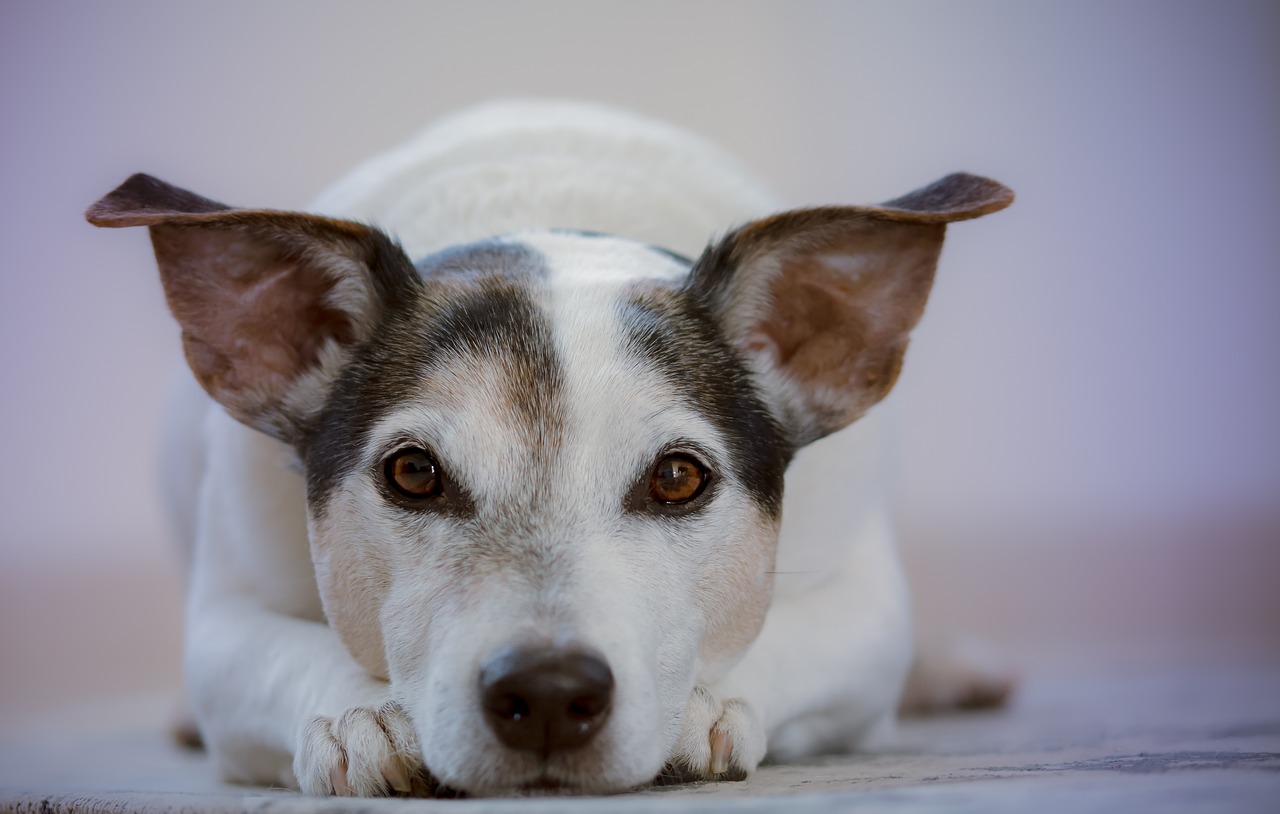

Your first week together can be quiet and a little uncertain. A newly adopted dog may hang back, follow you around or seem eager to explore. Give them a comfortable place to rest, a predictable day and room to approach you in their own time.
Keep an eye on their health as you get to know them. A change in appetite or energy can need veterinary attention, even when a dog has just moved home. This guide offers general information, not a diagnosis or an individual care plan.
When to call a vet
If your dog refuses food, eats noticeably less or seems uncomfortable eating, contact a veterinarian promptly to arrange an assessment. Tell the practice when they last ate, whether they are drinking, and whether anything else has changed. Do not assume that refusing food for a day or two is harmless settling-in stress. A diabetic dog that refuses even one meal needs urgent veterinary advice. VCA guidance on loss of appetite
Repeated vomiting or diarrhea, blood in the stool, unusual tiredness or signs of pain also warrant prompt veterinary advice. If your dog appears severely ill or struggles to stand or walk, seek emergency care immediately. VCA guidance on vomiting and diarrhea
Go to an emergency veterinarian immediately for trouble breathing, collapse, repeated attempts to vomit without bringing anything up, or an abdomen that is swollen or painful. Severe or prolonged vomiting, severe pain, or severe diarrhea with red blood or black, tarry stool also need emergency care. If your dog may have swallowed medicine or a toxic substance, contact an emergency vet immediately for instructions. These are not symptoms to watch until the next routine appointment. Cornell emergency guidance
What the 3 3 3 guideline can tell you
The ASPCA describes a 3-3-3 Guideline: the first three days, the next three weeks and the first three months. It emphasizes patience, routine and gradual adjustment. Some dogs feel comfortable quickly; others need longer. Use the framework as a reminder to give your dog time, rather than a deadline for bonding or a way to decide whether a symptom is safe to ignore. ASPCA adoption guidance
The day ranges in this guide are a way to organize your plans. Adjust the pace to your dog and follow any medical restrictions from the shelter or veterinarian.
Before your dog comes home
Ask the shelter or foster carer what your dog eats, when they eat, where they sleep and what helps them relax. Get the medical records, current care instructions and a contact for questions after adoption.
Prepare these basics:
- A bed in a quiet part of the house, away from busy doorways.
- Food and water bowls, the food your dog currently eats, and suitable cleaning supplies.
- Gates or other secure barriers where you need to limit access.
- A clear plan for who handles meals, toilet breaks and overnight care.
Check doors, windows, fences and gates. Put medication, cleaning products and chewable hazards out of reach. The ASPCA’s home preparation advice is a useful starting point.
Before pickup, ask the shelter to check the fit of your dog’s collar or harness and explain the safest way to get them home. Have a leash and an ID tag with your current phone number ready. Confirm the microchip number and update its registration; a microchip does not replace a visible ID tag. AVMA microchip guidance
Arrival day and the first night
Keep the welcome small. Postpone optional visitors, let your dog explore the prepared space and allow them to withdraw to their bed. Nobody needs to coax them out for a photograph or follow them around to make friends. Keep early walks quiet and short enough for your dog to manage comfortably. Dogs Trust settling-in advice
Children need an adult actively supervising every interaction. When you cannot supervise, separate children and the dog safely. Teach children to leave the dog alone while eating or sleeping, and let the dog move away. AVMA advice for families
A crate is an option if your dog is comfortable using one. Introduce it gradually and positively; do not shut a frightened dog inside and expect them to settle. If confinement causes distress, stop the training session and ask your veterinarian or a veterinary behaviorist for guidance. VCA crate and confinement guidance
Show your dog their sleeping area before bedtime and offer a toilet break. If being alone makes them distressed, sleeping nearby may help while you ask the shelter for an individual plan. Dogs Trust advice for the first nights
Days two and three
Keep meals, toilet trips and rest reasonably predictable. Start with the shelter’s feeding instructions unless your vet advises otherwise. Keep fresh water available and note what your dog actually eats.
Offer frequent toilet opportunities, including after waking, eating and play. Go outside together, then reward your dog just after they finish in the right place. If you find an accident indoors, clean it without punishment. A dog described as house-trained may still need help learning your home and routine. VCA house-training guidance
Keep a short daily note: food eaten, toilet habits, sleep, and situations that seemed comfortable or difficult. That gives you something concrete to discuss with the shelter or vet. Dogs Trust settling-in diary advice
If another dog already lives with you
Ask the shelter to help plan introductions. If the shelter advises that it is appropriate, begin on neutral ground with one adult handling each dog on a leash. Walk at a distance where both can stay comfortable, and move closer only as their behavior allows. Stiffness, growling or a fixed stare means the interaction needs more space. Do not force a greeting. Humane World guidance on introductions
At home, provide separate resting spaces, feed separately and put away shared toys or chews that could cause conflict. Supervise time together and separate the dogs safely when you cannot watch them. Progress depends on their behavior, not on reaching a particular day. Get professional help if introductions are tense or either dog could be hurt. Humane World guidance
Days four to seven
Keep the same basic routine. If your dog is comfortable, add a little reward-based learning: responding to their name, coming over when invited or settling on a bed. Keep it easy and stop before either of you becomes frustrated. The American Veterinary Society of Animal Behavior recommends reward-based methods for training and behavior problems.
Arrange an initial veterinary visit shortly after adoption, with timing based on your dog’s records, current health and the shelter’s instructions. Bring the records and ask about vaccination status, parasite prevention, diet and any ongoing treatment. ASPCA veterinary-care guidance
New behavior may appear as you learn more about one another. Guarding food or a sofa, snapping, or persistent fear deserves attention. Give the dog space, keep people and animals safe, and contact your vet and adoption organization for help. Do not test guarding by reaching for the item. If you are worried about a bite, seek professional support early. Humane World resource-guarding guidance and AVMA advice on fear and aggression
Your first week checklist
- Save the shelter contact, veterinary practice and nearest emergency clinic in your phone.
- Check identification and microchip registration.
- Set up an undisturbed resting area and agree the household rules.
- Keep meals, toilet opportunities and sleep predictable.
- Supervise children and manage introductions to resident pets.
- Note appetite, comfort and behavior, and act promptly on health concerns.
- Arrange the first veterinary visit and bring the shelter records.
At the end of the week, look for small changes you can actually observe: resting more easily, choosing to come closer or finding the toilet area with less help. Keep what works, ask for support where you need it, and let the pace fit the dog in front of you.