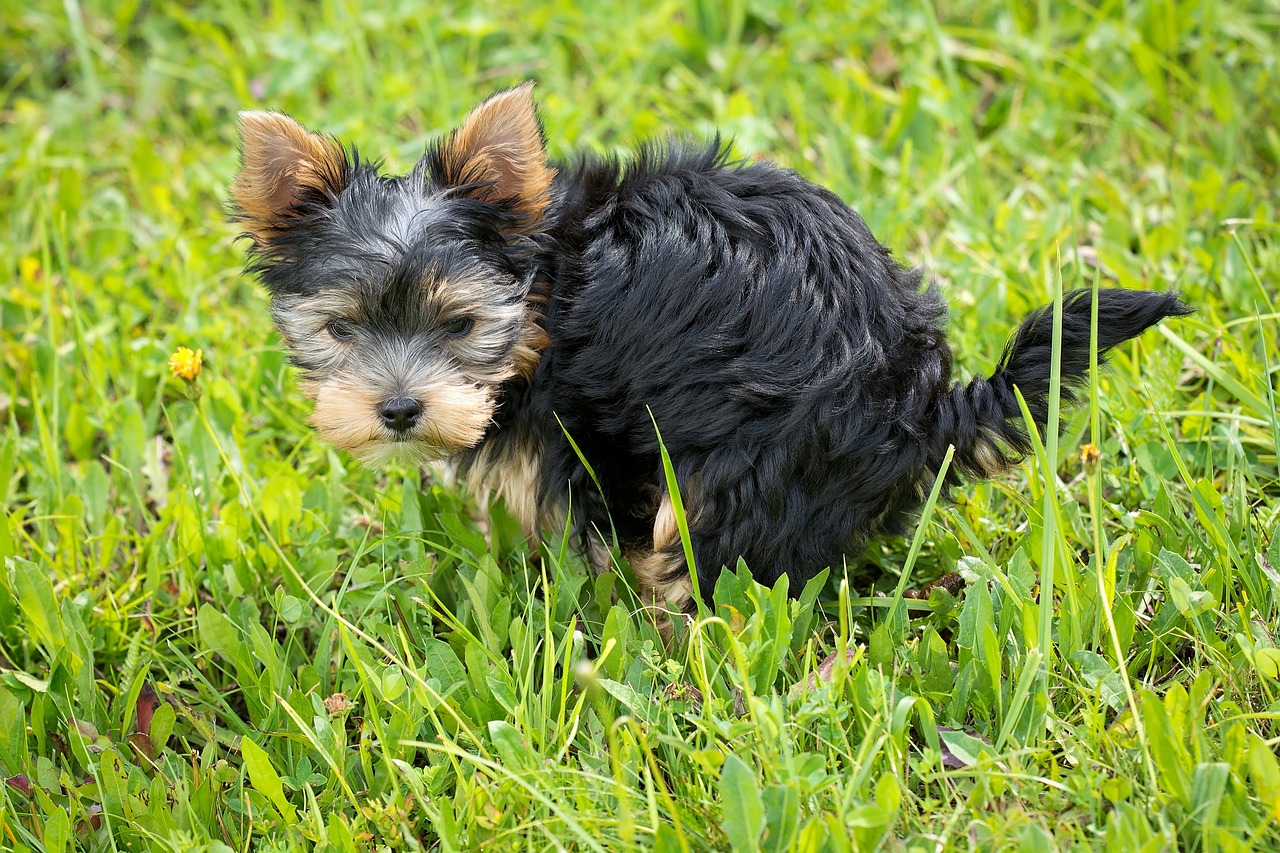

A puppy taken outside at changing times will have accidents that feel just as unpredictable. A steady routine changes that. The AKC housetraining guide places a predictable schedule beside consistency, supervision, and rewards as the foundation of housetraining.
The point is not to watch the clock for its own sake. You are giving your puppy enough chances to succeed before the need becomes urgent.
Why the clock does the work
At eight weeks, your puppy cannot wait long enough for you to depend on a clear request to go outside. The warning may last a few seconds. By the time you notice, stand up, and cross the room, the accident may have happened.
A schedule puts you near the door before your puppy’s bladder takes over. Instead of asking them to hold on until you spot a signal, you take them out at the times when they are most apt to need the toilet.
Age alone cannot tell you how long your puppy can comfortably wait. Start with frequent toilet opportunities, often every one to two hours while awake, and go sooner after waking, eating, drinking, or play. Watch your puppy’s signals and shorten the gaps when needed. VCA housetraining guidance
Meals help set the pattern. Offer a toilet trip soon after eating, but watch for earlier signals and learn your puppy’s usual timing. Predictable mealtimes make the day easier to plan. Our guide to feeding and toilet routines explains the connection in more detail.
The routine also helps you see what happened before an accident. You can look at naps, meals, play, and the last trip outside instead of treating each puddle as a mystery. That gives you a place to adjust without changing the whole day.
The schedules, by age
These are example routines to adapt to your puppy. The clock times are reminders, not instructions to wait when your puppy needs to go. Add trips after waking, meals, drinking, and play, and whenever you notice a signal. The examples use four meals for younger puppies and three at four to six months. PDSA gives this as a general pattern, with a move to two meals from six months, but individual needs vary. Follow your veterinary team’s feeding advice and divide the appropriate daily food allowance between meals.
Eight to ten weeks
This stage asks a lot from you, but it passes. Take your puppy out as soon as they wake, after each meal, after each nap, after play, and during the night as needed. Very young puppies may need more than one overnight trip.
Keep your puppy close enough to hear them wake. If alarms help, set them around the pattern you observe and arrange earlier trips when needed. The aim is to reach the toilet spot before your puppy becomes uncomfortable or soils their sleeping area.
| Time | What happens | Detail |
|---|---|---|
| 7:00 AM | Wake up potty break |
|
| 7:30 AM | Breakfast |
|
| 8:00 AM | Post-breakfast potty break |
|
| 9:00 AM | Playtime + potty break |
|
| 10:00 AM | Nap time |
|
| 11:00 AM | Wake-up potty break |
|
| 11:30 AM | Lunch |
|
| 12:00 PM | Post-lunch potty break |
|
| 1:00 PM | Playtime + potty break |
|
| 2:00 PM | Nap time |
|
| 3:00 PM | Wake-up potty break |
|
| 3:30 PM | Afternoon meal |
|
| 4:00 PM | Playtime + potty break | |
| 5:00 PM | Quiet activity and supervision |
|
| 5:30 PM | Potty break |
|
| 6:00 PM | Family playtime |
|
| 7:30 PM | Dinner |
|
| 8:00 PM | Post-dinner and pre-bed potty break |
|
| 8:30 PM | Bedtime routine |
|
| Overnight, as needed | Quiet toilet trips |
|
Make each toilet trip plain and consistent. Go through the same door and stand in the same patch. Wait without talking or starting a game. The moment your puppy finishes, give the reward while both of you are still outside. That timing connects the reward with toileting in the chosen place.
This article contains affiliate links. As an Amazon Associate I earn from qualifying purchases. If you buy through these links, A Friendly Dog may receive a commission at no extra cost to you. Read our affiliate disclosure.
Keep Earth Rated Poop Bags beside the door. At half past six in the morning, you do not want to search cupboards or coat pockets while your puppy waits. Having the bags in reach removes one small delay from a part of the day that already moves fast.
If your puppy has just eaten, woken, or finished a burst of play, take them out even when the last trip does not feel long ago. At this age, those events matter as much as the number of minutes on the clock.
Ten to sixteen weeks
Bladder control develops gradually, and progress varies. Keep overnight toilet trips in place for as long as your puppy needs them; dry mornings with an alarm do not show that the alarm is no longer needed. This example still includes four meals. Adjust that pattern with your veterinary team rather than reducing meals because of the table’s age label.
| Time | What happens |
|---|---|
| 7:00 AM | Wake-up potty break |
| 7:30 AM | Breakfast |
| 8:00 AM | Post-breakfast potty break |
| 9:00–11:30 AM | Play and rest; offer toilet trips during activity and after waking. |
| 11:30 AM | Lunch |
| 12:00 PM | Post-lunch potty break |
| 1:00–3:30 PM | Play and rest; offer toilet trips during activity and after waking. |
| 3:30 PM | Afternoon meal, the third in this example. |
| 4:00 PM | Post-meal potty break; go sooner if needed. |
| 5:00–7:00 PM | Play and rest, with toilet trips as needed. |
| 7:30 PM | Dinner, the fourth meal in this example; offer a toilet trip soon afterward. |
| 8:00 PM | Post-dinner and pre-bed potty break; go sooner if needed. |
| Bedtime and overnight | Settle in a comfortable sleeping area; continue overnight toilet trips as needed. |
This is the point when a clean run can tempt you to ease off too soon. Two weeks without an accident does not mean training is finished. Giving a twelve-week-old puppy access to the whole house is a common reason that a good spell turns into another run of accidents.
Keep supervision and the schedule in place while your puppy learns how to ask. Their signs may become easier to notice, but they may still be brief. reading the signals your dog gives you explains how to read the signals your dog gives you as those signals become clearer.
More freedom should come in small steps. The schedule still does most of the work, even when your puppy begins to seem dependable. If you cannot watch them, use the space and setup that have supported clean days so far.
A missed signal is not proof that your puppy has forgotten the training. Look at what happened just before it. A nap, a meal, or play may have created a need before the next planned trip.
Four to six months
This example uses three meals a day. Some puppies move to two meals around six months, following individual feeding advice. Your puppy may gradually manage longer gaps and give clearer signals, but there is no fixed age when every puppy becomes reliable. Keep supervising and adjust the routine to the progress you see.
| Time | What happens |
|---|---|
| 7:00 AM | Wake-up potty break |
| 7:30 AM | Breakfast |
| 8:00 AM | Post-breakfast potty break |
| 9:00 AM–12:00 PM | Play and rest, with toilet trips during activity and after waking. |
| 12:00 PM | Lunch |
| 12:30 PM | Post-lunch potty break |
| 1:00–5:00 PM | Activity and rest, with frequent toilet opportunities and earlier trips for signals. |
| 5:30 PM | Dinner |
| 6:00 PM | Post-dinner potty break |
| 7:00–8:00 PM | Quiet play and a pre-bed potty break. |
| Bedtime and overnight | Some puppies can sleep through; offer an overnight toilet trip whenever needed. |
Ease away from the schedule one trip at a time. Remove one outing, then keep the revised routine for a week. If that works, remove another. Dropping several trips at once makes it hard to know which gap became too long.
If accidents return after you widen a gap, restore the more frequent trips and review what changed. A sudden or unexplained setback can also have a medical cause, so contact your vet rather than assuming the schedule is the only issue.
Continue to use the same door, toilet area, and prompt routine. Your puppy now has more control, but the familiar pattern still tells them what you expect.
When the schedule and your job do not fit
If you cannot provide the toilet trips your puppy needs during a working day, arrange enough visits from a trusted carer or suitable puppy care. A single midday visit may not be enough for a young puppy.
Affiliate links: A Friendly Dog may receive a commission from purchases through the links below.
If neither option is available, set up a pen with the crate left open inside it. Put Amazon Basics Potty Training Pads at the far end of the pen. That arrangement gives your puppy an acceptable toilet place while you are away, with distance between the pad and the sleeping area.
Affiliate links: A Friendly Dog may receive a commission from purchases through the links below.
A wire crate with a divider, such as the MidWest Wire Dog Crate with Divider, can support the schedule. It does not replace the schedule. A puppy tends to hold on rather than soil the place where they sleep, but that works while the time in the crate stays within what their body can manage.
The divider matters because it lets the crate space match your puppy’s current size. The schedule still determines when you need to return and take them outside. leaving a puppy alone covers the arithmetic for leaving a puppy alone.
If your work hours and your puppy’s limit do not match, the answer is more access to a toilet place or help during the day. Asking the crate to bridge a gap your puppy cannot manage will not teach bladder control.
When to call your vet
Call your vet if your puppy’s toilet habits change suddenly, they have blood in their urine, or they wet themselves while asleep. Straining with little or no urine needs urgent veterinary attention; if your puppy cannot urinate, contact an emergency vet immediately. VCA emergency-care guidance
A sudden change matters. If your puppy had been able to manage four hours and now manages two, treat that as a possible medical problem unless your vet determines otherwise. Do not assume that a sharp setback is stubbornness or a training mistake.
Bring the pattern you have noticed to the appointment. The schedule can help you describe the change, including what your puppy managed before and what is happening now.
Alicia writes this site as a dog owner who does the reading. She is not a veterinarian, and this article cannot replace advice from the person who can examine your dog.
Questions people ask
Do I have to follow the clock times to the minute?
No. Focus on the shape of the day: outside after waking, meals, naps, and play, then once more before bed.
If your household starts later, move the full schedule forward by two hours. The problem comes when the times keep shifting from one day to the next. A stable order matters more than matching one exact clock time.
What about weekends?
Keep the weekday schedule during the first couple of months. If your puppy goes outside at seven during the week but waits until nine on weekends, you are asking them to hold their bladder two hours beyond the routine twice a week.
That change often shows up as trouble on Monday. A weekend lie-in may suit the household, but your puppy’s bladder still expects the pattern it has been learning.
How do I handle the night?
Plan quiet toilet trips around your puppy’s needs. One trip may not be enough, especially for a very young puppy. Keep them close enough to hear them wake and respond when they need help.
Take them to their toilet spot, keep the outing calm, reward toileting, and return to bed. Lengthen the gaps gradually only when your puppy is managing comfortably. There is no fixed birthday or weekly timetable for sleeping through. Dogs Trust first-night guidance
My puppy goes out on schedule and still has accidents
Study the period before each accident instead of tightening the full schedule. If three puddles happen at four in the afternoon, the gap between the last nap and dinner may be too long.
Add one trip during that window. You do not need to add outings to parts of the day that are already working. The pattern tells you where the schedule needs help.
When can I stop?
Once your puppy has a sustained pattern of success, try small changes while continuing to supervise. Keep regular toilet opportunities and respond to signals; if a longer gap causes trouble, shorten it again. There is no single accident-free deadline that suits every puppy.
Keep meals at fixed times after housetraining takes hold. That part of the routine keeps the rest of your dog’s day predictable throughout their life.
Sources
- AKC housetraining guide, on housetraining resting on consistency, supervision, a predictable schedule and positive reinforcement.
- ASPCA house training guide, on rewarding success where it happens and enlarging your puppy’s space as the training takes hold.
- PDSA puppy feeding guide (PDF), on age-based meal examples, individual variation and dividing the daily food allowance.
- VCA housetraining guidance, on frequent toilet opportunities, supervision and responding to signals.
- Dogs Trust first-night guidance, on overnight toilet trips at the individual puppy's pace.
- RSPCA diet and water guidance, on constant access to clean drinking water.
- VCA emergency-care guidance, on urgent care for straining, minimal urine output or inability to urinate.
- Dogs Trust good-habits guidance, on helping a puppy become comfortable with its crate.
Updated October 13, 2026. We revised the meal examples, water and overnight guidance, time ranges, urination warning signs and affiliate-disclosure placement. The schedules remain examples to adapt to your puppy.