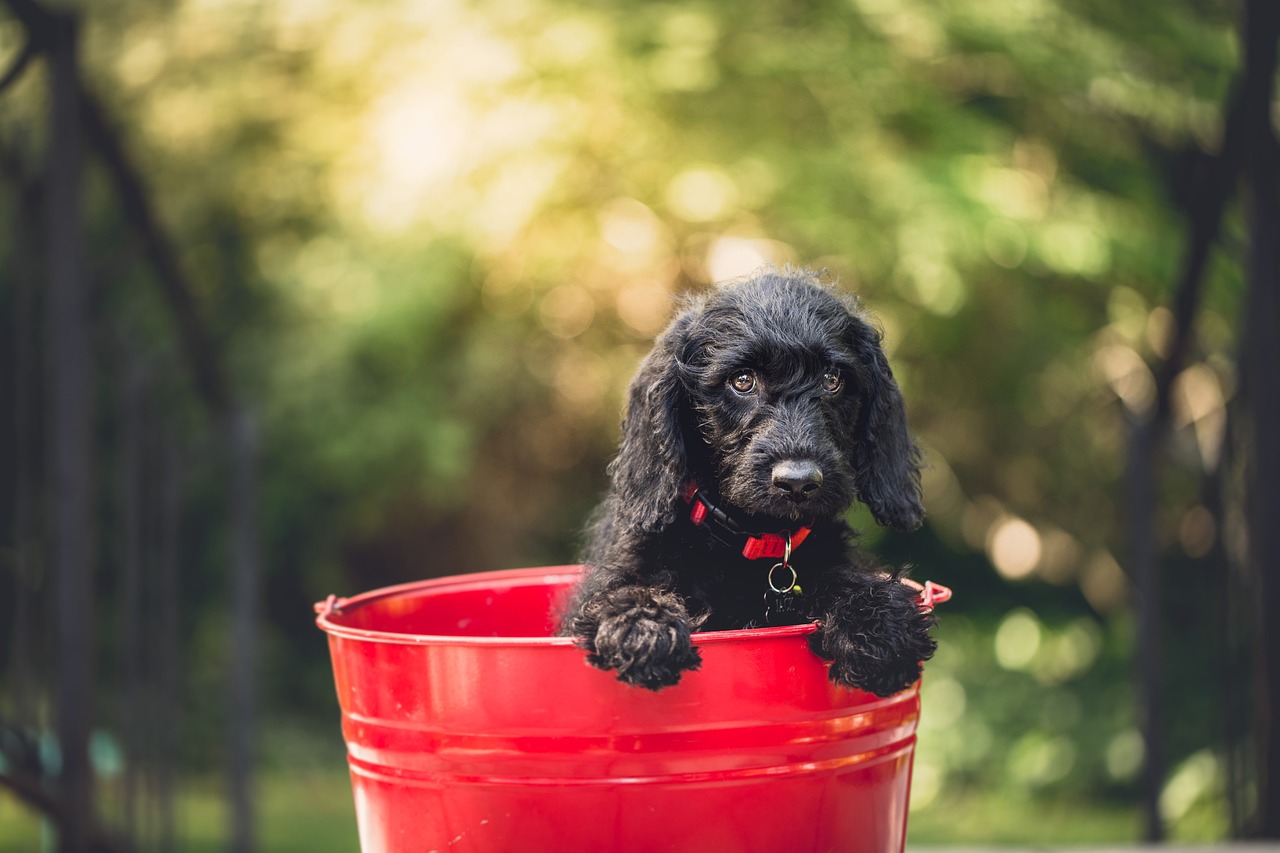

A medium or large dog left loose in a whole house before he is ready is a dog making decisions all day about things you would rather he did not touch. Confinement is not about restriction. It is about narrowing the number of choices while he learns which ones are right.
I am not a trainer. This is what I read while working out what to do with a big adolescent dog who could reach every counter in the kitchen.
Start with the smallest space that works
The instinct is to give a new or young dog the run of the house so he does not feel shut in. In practice that produces a dog who toilets in the far spare room, chews something expensive, and learns habits that take months to undo.
Use a dog-proofed room, pen or crate only if your dog is comfortable there. Add space gradually under supervision, based on safety and behavior rather than a fortnight without an accident.
The mistake is going straight from one room to the whole house. Add one space at a time so that if something goes wrong you know exactly where and why.
Which option suits which dog
A crate is the smallest and works well for short absences and for sleeping, provided the dog has been taught to like it. A pen gives more room and suits a dog who cannot yet be trusted but is fine loose for longer. A gated room is the most generous and suits a dog who needs space but not the whole house. A dog-proofed utility or kitchen works well for large dogs who find crates genuinely too small.
A crate must allow comfortable standing, sitting, turning and a full stretch, with suitable bedding and drinking water. Check the fit as a puppy grows; a divider must not take away needed room.
Choosing the space
Every option here assumes the dog has been taught to be comfortable in it first.
| Option | Suits | Watch out for |
|---|---|---|
| Crate | Short absences, sleeping, house training | Too small for a big dog, or used as punishment Never punish |
| Puppy pen | Dogs who need room but not freedom | Large dogs can tip or climb them |
| Gated room | Most medium and large dogs | Everything in that room has to be safe |
| Dog-proofed kitchen or utility | Big dogs, longer periods | Bins, cables, medication, cleaning products |
| Whole house | Adult dogs who have earned it | Going straight here is how the habits form |
| Outdoors unattended | Nothing Not confinement | Escape, theft, weather, and no supervision |
General guidance. Confinement time limits for puppies should follow your vet’s advice for the individual dog.
The space has to be somewhere he wants to be
Whatever you choose only works if the dog is comfortable in it, and that is built before you ever shut a door.
Feed him in it. Throw treats in and let him walk out again. Leave the door open for days so it becomes ordinary furniture. Then close it for ten seconds while you stand there. Then a minute while you make tea.
Never use it as punishment. A space that sometimes means “you are in trouble” stops being a refuge, and the dog will resist going in exactly when you need him to.
The ASPCA is worth quoting on the related point about anxious behavior: “Do not scold or punish your dog. Anxious behaviors are not the result of disobedience or spite. They are distress responses!”
Confinement is not a fix for anxiety
This is the important caveat. A dog who panics when left alone will often panic harder in a crate, and some injure themselves trying to get out: broken nails and teeth, bloodied paws, damage to the door frame.
Destruction, toileting or vocalizing during an absence can have several causes. They warrant assessment and are not a diagnosis of separation anxiety. Confinement may worsen panic. Our guide to separation anxiety and poor socialisation explains observation and professional help.
A short recording may help your vet assess what happens, but neither settling after five minutes nor distress at twenty minutes diagnoses or excludes a disorder. Do not prolong an absence to test your dog; return before distress and arrange care.
Make the time count
A dog who has done nothing all day will find something to do, and it will be your skirting board. Confinement works far better when it follows exercise and comes with something to occupy him.
Use enrichment only if it suits your dog and has first been observed safely. Remove items the dog tears apart or might swallow. A food toy or quiet radio cannot treat panic or replace contact and toilet care.
Build duration only while your dog stays comfortable. Arrange enough care, contact, movement, water and toilet opportunities for the individual dog; a single midday break does not make every working-day absence suitable.
Setting the space up
- Dog-proof it properly: cables, bins, medication, cleaning products
- Size a crate so he can stand, turn and stretch out fully
- Let him choose to enter and remain comfortable before progressing
- Build from ten seconds, to a minute, to longer
- Use suitable enrichment only after safe supervised trials
- Exercise before confinement, not after
- Use a brief recording if helpful; never extend distress for a test
- Widen his access one room at a time as he earns it
Stop confinement that causes panic and contact your vet promptly. Injuries, suspected swallowed material, broken teeth or bleeding need immediate advice rather than a routine wait. Use a safe alternative and arrange support while the cause is assessed.
- Injures himself, breaks nails or teeth, or bloodies his paws trying to get out
- Panics, cannot settle or persistently tries to escape; seek help promptly
- Toilets in the space despite being house-trained
- Has started resisting a space he previously used happily
- Is older and newly restless, disoriented, or vocal at night
- Has chewed and possibly swallowed bedding or crate padding
Sudden refusal of a familiar space is often pain rather than protest, particularly in an older dog who now finds getting up and down uncomfortable. Ask about a referral to a qualified behavior professional if the distress is severe.
The goal is to stop needing it
The aim is safe, comfortable management suited to the dog. Some adults like an open crate; others need a room or different support. There is no year-by-year deadline for whole-house access.
Add space gradually when it is safe, checking how the dog copes. Review a setback for toileting, health, distress or hazards rather than treating a fixed number of days as proof of readiness.
Our guides to choosing a bed and potty training an adult rescue dog cover the rest of this.
Tonight, do the dull half: get down to dog height in whichever room you are using and look for the cable, the bin and the bag you had not noticed.
This article contains affiliate links. As an Amazon Associate I earn from qualifying purchases. If you buy through these links, A Friendly Dog may receive a commission at no extra cost to you. Read our affiliate disclosure.
The MidWest Homes Wire Dog Crate includes a divider panel, so you can adjust the space as your dog grows. That means buying one wire crate instead of two, and you will not have to track down the often-overlooked divider afterward.
Questions people ask
What size crate does my medium or large dog need?
Choose room for standing, sitting, turning and stretching out fully, with comfortable bedding and drinking water. Check fit as your dog grows. Do not reduce the space below those needs to try to prevent accidents.
Is a crate or gated room better for a large dog?
Use a crate for sleep or short absences if your dog feels at ease there. A sturdy pen offers more movement, though some large dogs can climb or tip one. A gated, dog-proofed room often suits a bigger dog who needs space but has not earned access to the whole house. Remove cables, bins, medication, and cleaning products.
How do I get my dog comfortable with confinement?
Let your dog explore the space with the door open. Feed meals there and toss treats inside without blocking the exit. After your dog chooses to enter, close the door for ten seconds while you stay nearby. Build to a minute, then add time in small steps. Keep confinement separate from punishment so the space can feel safe and familiar.
How long can I leave my puppy confined?
Ask your vet about your puppy’s age, health and toilet needs. Increase time only while comfortable and arrange sufficient care during longer absences. One midday break, exercise or a toy is not a universal solution.
What should I do if my dog panics or hurts himself in a crate?
Stop using the crate and call your vet if your dog breaks nails or teeth, has bloodied paws, chews and may swallow bedding, or keeps trying to escape. Watch for pacing, howling, indoor toileting, or a new refusal to enter a familiar space. These signs can point to distress, pain, or another health concern that needs assessment.
Sources
- AKC, recommends choosing a sturdy crate that fits your dog and using an adjustable divider for a growing puppy.
- AKC, explains that your dog should enter and explore the crate by choice so fear does not become tied to the space.
- PDSA crate guidance, on room, bedding, water and gradual comfortable introduction.
- ASPCA separation-anxiety guidance, on other causes, distress, recordings and the limits of crating.
Updated October 18, 2026. We corrected unsupported promises and medical or handling advice while keeping the article’s practical structure, existing links and individual focus.