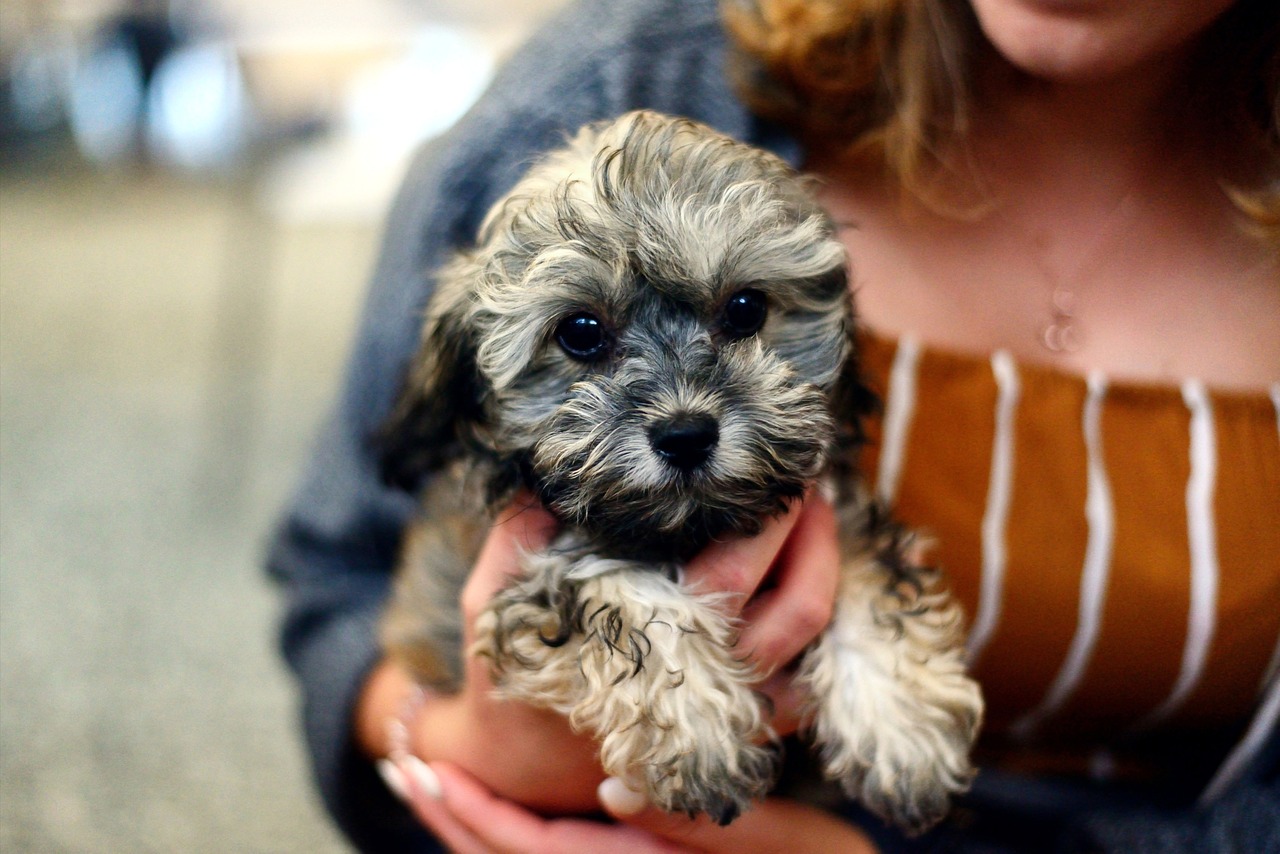
A workday needs a care plan for your puppy, including food, water, toilet opportunities and company. Plan around their current needs and comfort with being alone. An age formula cannot tell you how long it is appropriate to leave them.
How long your puppy can hold on
There is no reliable age-plus-one holding limit for an individual puppy. VCA housetraining guidance describes frequent awake-time breaks and extra trips after waking, eating, drinking and play. Young puppies may need help sooner than a clock reminder suggests.
Observe your puppy and arrange help before they need to toilet or become distressed. Holding urine, resting in a crate and coping with separation are different needs; being able to do one does not establish a safe absence length.
Care checks before leaving
Use these checks to arrange care. They do not measure how many hours your puppy can wait.
- Before leaving: offer a toilet trip and check clean water access.
- Food and routine: arrange appropriate meals and toilet opportunities.
- Company: arrange visits or other suitable care for a long workday.
- Comfort: practise short absences your puppy can cope with.
- Health: seek veterinary advice for new accidents or symptoms.
Sleeping does not guarantee a dry night. Keep water available and offer overnight toilet opportunities when your puppy needs them.
Activity, meals, drinks, health and distress can change toileting needs. Keep notes so you can adjust care, and contact your vet for new symptoms rather than assuming that the food or training routine explains them.
Needs change as your puppy develops, but age alone cannot set the plan. Base any longer gaps on observed progress and comfort, with veterinary or qualified training advice when needed.
This can feel frustrating when your workday does not match your puppy’s limits. It helps to separate the two issues. Your puppy is not choosing to make the day difficult. Their body cannot meet the schedule yet. Once you see the problem that way, you can focus on creating an arrangement that gives them a fair chance to succeed.
A day that works
A predictable routine carries much of the training load. If your puppy eats at the same times each day, they tend to need a bathroom break at about the same points in the day. That lets you reach the door before an accident instead of finding a puddle afterward.
This is a supervised example for a three-month-old puppy, not a workday crate schedule. Clock times are reminders: offer extra trips after relevant events and whenever your puppy signals. The four meals follow PDSA’s general feeding guide (PDF); divide the appropriate daily allowance and follow individual veterinary advice.
| Time | What happens | Detail |
|---|---|---|
| 7:00 AM | Wake and toilet trip | Offer a trip on waking; reward success calmly and check clean drinking water. |
| 7:30 AM | Breakfast | Meal 1 from the daily allowance. Offer a toilet trip soon afterward and respond to earlier signals. |
| 9:00 AM | Rest or brief crate practice | Use an introduced, comfortable resting area. Offer a trip before rest and whenever your puppy wakes. |
| 10:30 AM | Toilet check if awake | Offer a trip; go sooner during active play or after a drink. A reminder is not a reason to wait. |
| 12:00 PM | Lunch | Meal 2 from the daily allowance. Offer a trip on waking and after eating; supervise play. |
| 2:00 PM | Rest and short alone-time practice | Practise only a brief absence your puppy can cope with. Return before distress and offer a trip on waking. |
| 4:00 PM | Afternoon meal | Meal 3 from the daily allowance. Offer a toilet opportunity and supervise activity. |
| 6:00 PM | Dinner | Meal 4 from the daily allowance. Offer a trip after eating and respond to signals during family time. |
| 8:00 PM | Settle for the evening | Offer a trip before settling. Keep drinking water available and plan further trips as needed. |
| Overnight, as needed | Toilet opportunities | Respond to waking or signals. Adjust the routine to your puppy; do not assume they can sleep through. |
Adapt these reminders to your household and puppy. Offer trips after waking, meals, drinks and play, and before settling. Do not wait for the next listed time when your puppy needs to go.
Watch what happens within that pattern. Your puppy may need to go soon after breakfast but take more time after another meal. The schedule gives you a starting point, while your puppy’s habits show you where the timing needs adjustment.
A steady routine also makes accidents more useful as information. If you know when your puppy ate, slept, drank, and went outside, you can see where the gap was too long. Without that structure, an accident can seem random even when it followed the same sequence as the one before it.
The aim is not a flawless day. It is a day with enough well-timed chances for your puppy to get it right. Each successful trip outside supports the routine you want them to learn.
When your day is longer than your puppy
For a long workday, arrange enough visits or other suitable care to meet your puppy’s needs; one midday visit may not be enough. Check that care covers meals, water, toilet trips, interaction and comfort. Daycare suitability depends on your puppy and health requirements. RSPCA alone-time guidance advises considering the individual dog and arranging time for toileting and company.
This article contains affiliate links. As an Amazon Associate I earn from qualifying purchases. If you buy through these links, A Friendly Dog may receive a commission at no extra cost to you. Read our affiliate disclosure.
A suitable pen can include an open resting crate and a separate toilet area with Amazon Basics Potty Training Pads. Keep clean drinking water available, check the setup under supervision and ensure your puppy cannot chew or swallow the pad. A pen and pad do not replace those visits or care for separation distress.
Keep the chosen toilet area consistent. Our crates and pads guide explains the options. If your goal is toileting outdoors only, plan how to transfer that habit gradually; an indoor area does not make an otherwise unsuitable absence appropriate.
Build alone time gradually with short, comfortable practice. Increase it only while your puppy remains settled. If you notice pacing, trembling, whining or other distress, shorten the practice and speak with your vet, who may recommend a qualified behavior professional.
Do not confine a puppy in a closed crate for a full workday. Arrange appropriate care and toilet opportunities before leaving; confinement cannot create bladder control or teach comfortable separation by itself.
crate training step by step walks through crate training step by step, including crate size and the introduction that helps your puppy see the crate as a place they want to enter. That foundation still matters when the crate sits open inside a pen. Your puppy gets a resting space without being trapped there past their limit.
Coming home to an accident
Do not scold your puppy. They cannot connect your angry tone with something that happened three hours before you came through the door. The ASPCA house training guide makes the point clear: scolding a dog for an earlier accident does not teach the lesson you want.
What your puppy may learn is that your arrival feels frightening. They may hide when you come home, but that does not mean they understand what they did wrong. It means they have connected your return with your reaction.
Affiliate links: A Friendly Dog may receive a commission from purchases through the links below.
Clean the area with an enzyme cleaner such as Rocco & Roxie Stain & Odor Eliminator, rather than relying on a household spray. If your puppy can still smell the accident, the spot can seem like an established bathroom area. You may find another accident on that patch the next week. cleaning up after an accident explains cleaning up after an accident and how to handle the area.
After cleaning, review the gap between toilet opportunities and how your puppy coped while alone. Repeated or new accidents can also reflect health or distress; seek advice and adjust care rather than calculating another holding limit.
Contact your vet for advice if your puppy has diarrhea. Do not assume an accident with loose stool is explained by how long they were left alone. PDSA diarrhea guidance specifically advises seeking help for puppies.
Affiliate links: A Friendly Dog may receive a commission from purchases through the links below.
Ask your vet before giving a supplement such as Purina Pro Plan FortiFlora. Its suitability depends on your puppy and the cause of symptoms; it does not replace assessment of diarrhea.
An accident gives you information, but does not identify its cause. Keep the successful parts of the routine, review care and supervision, and seek veterinary advice for symptoms or a sudden change.
When to call your vet
Straining with little or no urine needs urgent veterinary attention. If your puppy cannot urinate, contact an emergency vet immediately. VCA emergency guidance lists these signs. Contact your vet promptly for blood in urine, pain, new leakage or markedly more frequent trips. For puppy diarrhea, ask your vet for advice without waiting two days; severe illness or collapse requires emergency care.
A sudden change in continence, frequency or comfort needs veterinary advice. Do not assume that apparent training regression comes from stubbornness or that reaching an earlier holding time rules out illness.
Alicia writes this site as a dog owner who does the reading. She is not a veterinarian, and this article cannot replace the vet who can examine your dog.
Questions people ask
Should my puppy have access to water when I leave home?
Keep clean drinking water available when you leave. RSPCA water guidance recommends constant access. Offer a toilet trip before leaving and arrange care for the next opportunities your puppy needs. A pad does not replace water, visits or interaction. Follow individual veterinary fluid instructions.
When is my puppy ready to roam the house without supervision?
Wait until your puppy has built a steady record without accidents in a smaller space. Then open one more room and watch how it goes. If accidents return, reduce the space and try again after more practice. Freedom should grow with your puppy’s bladder control and house-training habits, not age alone.
Does my puppy need a bathroom break during my workday?
Arrange enough toilet opportunities and care during your workday for your puppy’s observed needs. A trusted person, your own visits or suitable daycare may help. If you use a pen and indoor toilet area, continue arranging care; the setup does not establish that a full workday alone is appropriate.
Why does my puppy pee as soon as I walk through the door?
Some puppies urinate when excited or worried during greetings. Keep your return calm and offer a toilet opportunity. Ask your vet about new or repeated accidents, especially with discomfort or other urinary changes; do not assume they prove a lapse in training.
When do potty-training accidents need a call to the vet?
Straining with little or no urine needs urgent veterinary attention; if your puppy cannot urinate, contact an emergency vet immediately. Contact your vet promptly for blood in urine, pain or a sudden change in toileting. Contact your vet for advice if your puppy has diarrhea, without waiting two days. New accidents can have medical causes.
Sources
- AKC housetraining guide, on housetraining resting on consistency, supervision, a predictable schedule and reward.
- ASPCA house training guide, on not scolding after the fact and on rewarding success where it happens.
- VCA housetraining guidance, on frequent toilet opportunities, individual signals and medical causes of accidents.
- RSPCA alone-time guidance, on individual needs, gradual practice, company and signs of distress.
- RSPCA water guidance, on constant access to clean drinking water.
- PDSA puppy feeding guide (PDF), on the general four-meal pattern at eight to sixteen weeks and individual needs.
- PDSA diarrhea guidance, on veterinary advice for a puppy with diarrhea.
- VCA urinary emergency guidance, on straining, little urine and inability to urinate.
Updated October 13, 2026. We replaced age-based holding ceilings, repaired the example routine and care plan, added gradual alone-time guidance, corrected symptom urgency and moved affiliate notices beside the recommendations.